-
-
-
Jakarta, Indonesia
Understanding Stunted Children: Chronic Growth Failure, Early-Life Risks, and Why It Matters Beyond Height
Stroke: Why Early Recognition and Rapid Treatment Save Lives
-
 Post By
 -
Published
May 8, 2026
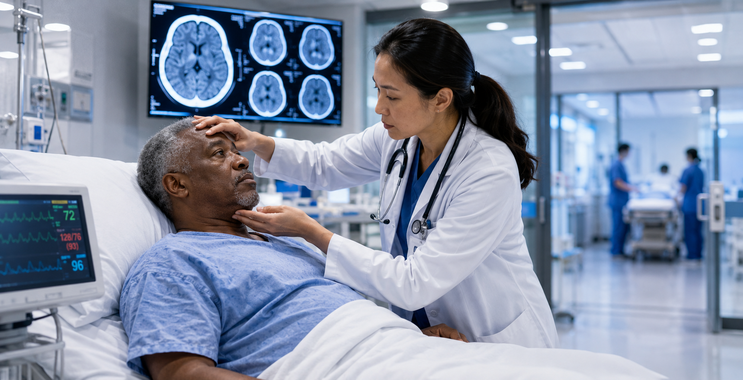
Stroke remains a major global health challenge and continues to be one of the leading causes of death and long-term disability worldwide. Despite advances in prevention, diagnosis, and treatment, many patients still arrive too late for optimal intervention. This delay is often caused by failure to recognize early warning signs, underestimation of symptom severity, or delayed transport to appropriate medical facilities. In stroke care, time is not merely important—it is decisive. The earlier a stroke is identified and treated, the greater the chance of preserving brain tissue, reducing disability, and improving survival.
A stroke occurs when blood flow to part of the brain is interrupted or when a cerebral blood vessel ruptures. The two principal forms are ischemic stroke, caused by an arterial blockage, and hemorrhagic stroke, caused by bleeding within or around the brain. Ischemic stroke accounts for the majority of cases globally. In both forms, the interruption of normal cerebral circulation deprives brain cells of oxygen and nutrients. Because neurons are highly sensitive to ischemia, irreversible injury may begin within minutes. This is the biological basis for one of the most important principles in neurology and emergency medicine: time lost is brain lost.
The clinical presentation of stroke can be sudden and dramatic, but it is not always recognized promptly by patients or families. Common warning signs include facial drooping, weakness of the arm or leg, difficulty speaking, slurred speech, confusion, visual disturbance, dizziness, imbalance, and sudden severe headache. Public education campaigns have helped promote simple recognition tools such as FAST—Face drooping, Arm weakness, Speech difficulty, Time to call emergency services. These signs are not merely educational slogans; they represent critical indicators that urgent evaluation is required. Even transient or partially improving symptoms should not be ignored, because they may represent a transient ischemic attack or an evolving stroke.
Rapid treatment has transformed the modern management of ischemic stroke. Reperfusion therapies, including intravenous thrombolysis and mechanical thrombectomy in selected patients, can significantly improve outcomes when delivered within appropriate time windows and according to established criteria. However, these therapies are highly time-dependent. Delays in symptom recognition, transport, imaging, referral, or decision-making may result in loss of eligibility for treatment. For this reason, the best stroke systems of care are those that connect public awareness, emergency response, rapid neuroimaging, and specialized clinical teams into a coordinated pathway.
Prevention remains equally important. Stroke risk is strongly associated with modifiable vascular factors such as hypertension, diabetes mellitus, dyslipidemia, smoking, obesity, atrial fibrillation, physical inactivity, and unhealthy diet. Among these, hypertension is one of the most important and consistently identified contributors to stroke risk. Effective blood pressure control, smoking cessation, appropriate diabetes management, anticoagulation when indicated for atrial fibrillation, and broader cardiovascular risk reduction all play a major role in lowering stroke incidence. In this sense, stroke prevention is inseparable from good primary care and long-term chronic disease management.
The burden of stroke extends beyond mortality alone. Many survivors experience permanent disability affecting speech, mobility, cognition, swallowing, emotional regulation, and independence in daily life. Rehabilitation therefore plays a central role after the acute phase. Multidisciplinary rehabilitation involving neurology, rehabilitation medicine, physical therapy, occupational therapy, speech therapy, nursing, and family support can substantially improve functional recovery. The degree of recovery varies widely, but earlier intervention and structured rehabilitation generally offer better results than delayed care.
From a public health perspective, stroke should be understood not only as an emergency event but also as a preventable and treatable condition that reflects broader system readiness. Communities need greater awareness, health systems need faster stroke pathways, and patients with vascular risk factors need earlier preventive intervention. The difference between full recovery and lifelong disability may depend on minutes.
In conclusion, stroke is a medical emergency that requires immediate recognition and prompt treatment. The public, clinicians, and healthcare systems all share responsibility in reducing the burden of this condition. Recognizing symptoms early, activating emergency services without delay, and addressing preventable risk factors remain the most effective strategies to save brain function, preserve independence, and save lives.
References :
1. Centers for Disease Control and Prevention (2025) Stroke Facts. Available at: https://www.cdc.gov/stroke/data-research/facts-stats/.
2. Feigin, V.L., Brainin, M., Norrving, B. et al. (2025) ‘World Stroke Organization Global Stroke Fact Sheet 2025’, International Journal of Stroke. Available at: https://pmc.ncbi.nlm.nih.gov/articles/PMC11786524/.
3. Powers, W.J., Rabinstein, A.A., Ackerson, T. et al. (2018) ‘Guidelines for the Early Management of Patients With Acute Ischemic Stroke’, Stroke, 49(3). Available at: https://pubmed.ncbi.nlm.nih.gov/29367334/.
4. World Health Organization (2023) Cardiovascular diseases (CVDs). Available at: https://www.who.int/en/news-room/fact-sheets/detail/cardiovascular-diseases-(cvds).
5. World Health Organization (2023) Stroke. Available at: https://www.who.int/news-room/fact-sheets/detail/stroke.
A stroke occurs when blood flow to part of the brain is interrupted or when a cerebral blood vessel ruptures. The two principal forms are ischemic stroke, caused by an arterial blockage, and hemorrhagic stroke, caused by bleeding within or around the brain. Ischemic stroke accounts for the majority of cases globally. In both forms, the interruption of normal cerebral circulation deprives brain cells of oxygen and nutrients. Because neurons are highly sensitive to ischemia, irreversible injury may begin within minutes. This is the biological basis for one of the most important principles in neurology and emergency medicine: time lost is brain lost.
The clinical presentation of stroke can be sudden and dramatic, but it is not always recognized promptly by patients or families. Common warning signs include facial drooping, weakness of the arm or leg, difficulty speaking, slurred speech, confusion, visual disturbance, dizziness, imbalance, and sudden severe headache. Public education campaigns have helped promote simple recognition tools such as FAST—Face drooping, Arm weakness, Speech difficulty, Time to call emergency services. These signs are not merely educational slogans; they represent critical indicators that urgent evaluation is required. Even transient or partially improving symptoms should not be ignored, because they may represent a transient ischemic attack or an evolving stroke.
Rapid treatment has transformed the modern management of ischemic stroke. Reperfusion therapies, including intravenous thrombolysis and mechanical thrombectomy in selected patients, can significantly improve outcomes when delivered within appropriate time windows and according to established criteria. However, these therapies are highly time-dependent. Delays in symptom recognition, transport, imaging, referral, or decision-making may result in loss of eligibility for treatment. For this reason, the best stroke systems of care are those that connect public awareness, emergency response, rapid neuroimaging, and specialized clinical teams into a coordinated pathway.
Prevention remains equally important. Stroke risk is strongly associated with modifiable vascular factors such as hypertension, diabetes mellitus, dyslipidemia, smoking, obesity, atrial fibrillation, physical inactivity, and unhealthy diet. Among these, hypertension is one of the most important and consistently identified contributors to stroke risk. Effective blood pressure control, smoking cessation, appropriate diabetes management, anticoagulation when indicated for atrial fibrillation, and broader cardiovascular risk reduction all play a major role in lowering stroke incidence. In this sense, stroke prevention is inseparable from good primary care and long-term chronic disease management.
The burden of stroke extends beyond mortality alone. Many survivors experience permanent disability affecting speech, mobility, cognition, swallowing, emotional regulation, and independence in daily life. Rehabilitation therefore plays a central role after the acute phase. Multidisciplinary rehabilitation involving neurology, rehabilitation medicine, physical therapy, occupational therapy, speech therapy, nursing, and family support can substantially improve functional recovery. The degree of recovery varies widely, but earlier intervention and structured rehabilitation generally offer better results than delayed care.
From a public health perspective, stroke should be understood not only as an emergency event but also as a preventable and treatable condition that reflects broader system readiness. Communities need greater awareness, health systems need faster stroke pathways, and patients with vascular risk factors need earlier preventive intervention. The difference between full recovery and lifelong disability may depend on minutes.
In conclusion, stroke is a medical emergency that requires immediate recognition and prompt treatment. The public, clinicians, and healthcare systems all share responsibility in reducing the burden of this condition. Recognizing symptoms early, activating emergency services without delay, and addressing preventable risk factors remain the most effective strategies to save brain function, preserve independence, and save lives.
References :
1. Centers for Disease Control and Prevention (2025) Stroke Facts. Available at: https://www.cdc.gov/stroke/data-research/facts-stats/.
2. Feigin, V.L., Brainin, M., Norrving, B. et al. (2025) ‘World Stroke Organization Global Stroke Fact Sheet 2025’, International Journal of Stroke. Available at: https://pmc.ncbi.nlm.nih.gov/articles/PMC11786524/.
3. Powers, W.J., Rabinstein, A.A., Ackerson, T. et al. (2018) ‘Guidelines for the Early Management of Patients With Acute Ischemic Stroke’, Stroke, 49(3). Available at: https://pubmed.ncbi.nlm.nih.gov/29367334/.
4. World Health Organization (2023) Cardiovascular diseases (CVDs). Available at: https://www.who.int/en/news-room/fact-sheets/detail/cardiovascular-diseases-(cvds).
5. World Health Organization (2023) Stroke. Available at: https://www.who.int/news-room/fact-sheets/detail/stroke.
Urinary Tract Infection Updates: Current Clinical and Public Health Developments
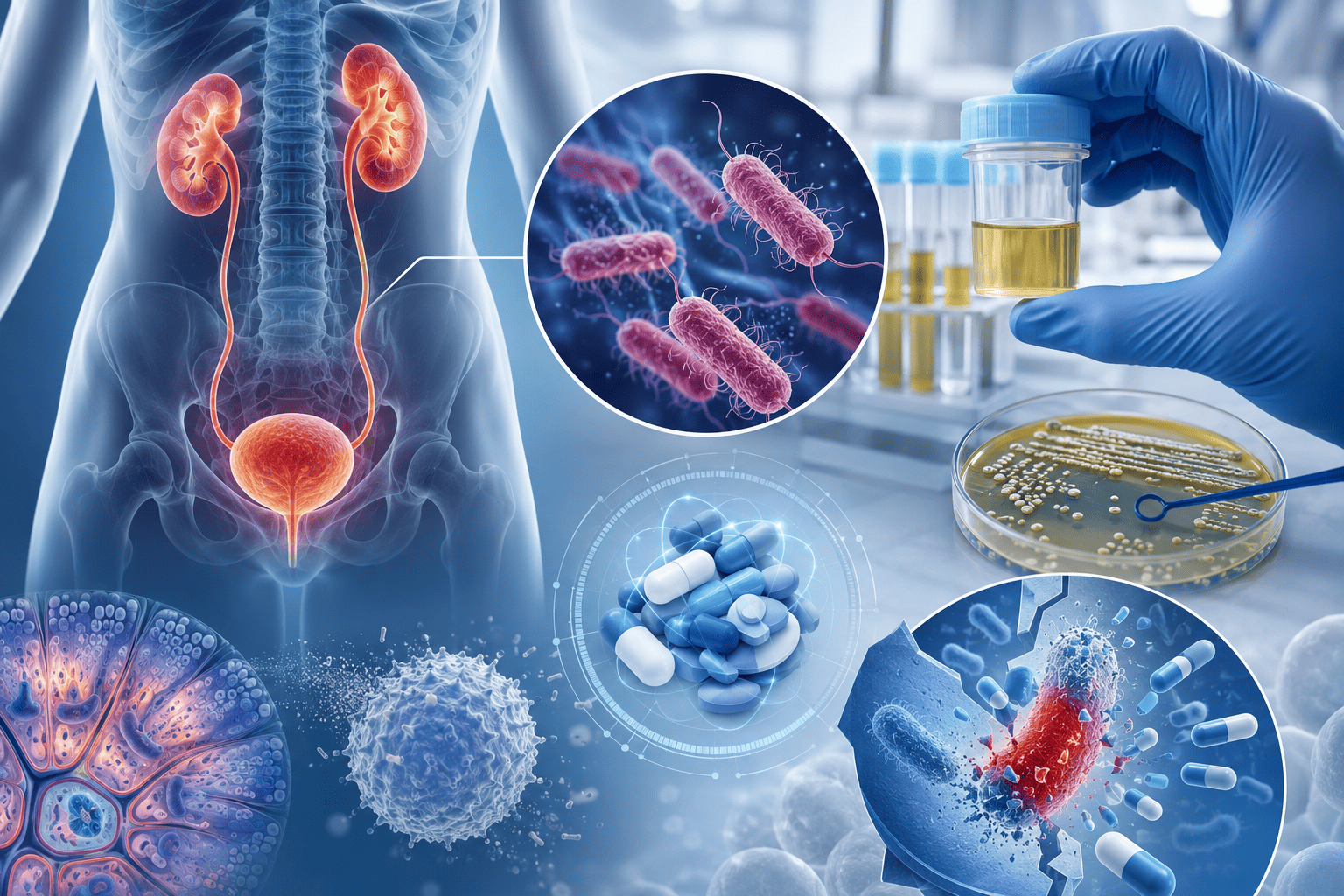
Urinary tract infection remains one of the most common bacterial infections globally, with current updates focusing on antimicrobial resistance, diagnostic stewardship, recurrent infection management, catheter-associated prevention, and emerging non-antibiotic strategies. This article reviews recent developments relevant to clinicians, researchers, and public health professionals.
Top 5 Vegetables That May Enhance Immune Function: An Evidence-Based Nutritional Overview
Dietary patterns rich in vegetables are consistently associated with improved health outcomes, including support of normal immune function. This article reviews five vegetables—broccoli, spinach, garlic, carrots, and red bell peppers—that may contribute to immune resilience through their content of vitamins, minerals, antioxidants, and bioactive phytochemicals.

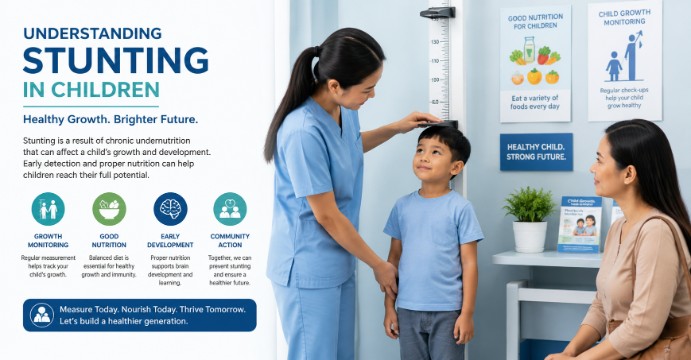
Understanding Stunted Children: Chronic Growth Failure, Early-Life Risks, and Why It Matters Beyond Height
Stunting in children refers to impaired linear growth resulting from chronic undernutrition, repeated infection, and unfavorable early-life conditions. More than a matter of short stature, stunting reflects a broader process of biological and developmental disadvantage that can affect cognitive outcomes, school performance, and long-term health.
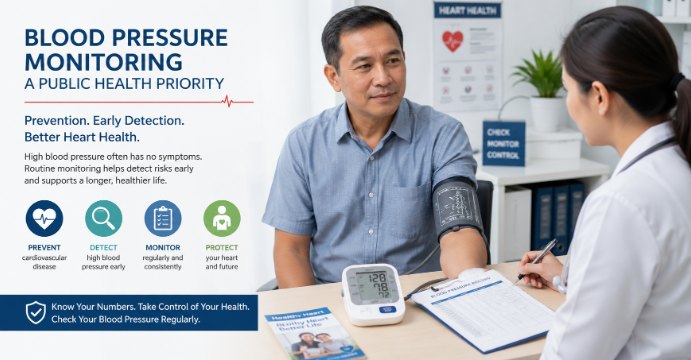
Blood Pressure Monitoring as a Public Health Priority: Strengthening Early Detection and Long-Term Cardiovascular Prevention
Blood pressure monitoring remains one of the most practical and impactful tools in public health for identifying hypertension early, guiding treatment decisions, and reducing long-term cardiovascular risk. Wider adoption of accurate office, community, and home-based monitoring strategies could significantly improve prevention of stroke, heart disease, kidney damage, and premature mortality.