-
-
-
Jakarta, Indonesia





-
Peer Review

-
Open Access
-
Indexing
-
Copyediting
-
Ethics
-
Publishing
Our Story, Mission, Born from a passion
for innovation, & Values
That Drive Us Forward
Med Open Press is a distinguished publishing entity devoted to the advancement of medical science through the dissemination of high-caliber books and rigorously peer-reviewed journals. Each publication undergoes stringent editorial scrutiny to ensure scientific validity and clinical relevance.
-
Excellence in peer review
-
Global accessibility
-
Promotion of innovation
-
Commitment to education
-
Ethical publishing standards
-
Transparent editorial policies
-
Clinically relevant outputs
-
Scientific validity & rigor
Office Hours: 10:00 AM - 8:00 PM
+62 897 1399 093
Medical Publishing Services
From submission to global dissemination

Book Publishing
Medical books, monographs, and educational references supported by editorial review, professional copyediting, design, and production.
Books
Publishing
Scientific Journal Publication
End-to-end journal publishing workflows: submissions, peer review coordination, editorial decisions, production, and online publication.
Journals
Workflow
Intellectual Property Rights Management (IPR)
Copyright, permissions, and licensing guidance to protect author rights and support compliant publication across formats and channels.
Rights
Compliance
Custom Publishing Solutions
Tailored publishing programs for societies, institutions, special issues, and supplements with flexible workflows and timelines.
Custom
Solutions
Distribution and Licensing
Digital/print distribution options and licensing pathways to expand reach responsibly across platforms, partners, and regions.
Reach
Licensing
-
00
+Articles published
-
00
%Trusted by happy Customer!
-
00
k +Positive Rating in Trustpilot
-
00
mRating in oy local City Network





Connect with our editorial team, discuss submissions, peer review, and publishing policies

Clients Have to Say About Their
Experience with Us!
-
 Rigorous and transparent!
Emily Carter
Business Owner

The peer review process was thorough and constructive.
The editorial communication was clear, timely, and professional. -
Efficient and dependable!
Michael Brown
Financial Analyst

From submission to decision, the workflow was well-managed.
The guidance helped us improve the manuscript substantially. -
High-quality editorial support!
Sarah Thompson
Marketing Manager

Copyediting and production were excellent.
The final publication was polished, readable, and consistent. -
A great publishing partner!
Olivia
Software Developer

We value the ethical standards and transparency.
Open access distribution helped our work reach a broader audience.
Discover Insights and Tips
in Our Latest Articles

Urinary Tract Infection Updates: Current Clinical and Public Health Developments
Urinary tract infection remains one of the most common bacterial infections globally, with current updates focusing on antimicrobial resistance, diagnostic stewardship, recurrent infection management, catheter-associated prevention, and emerging non-antibiotic strategies. This article reviews recent developments relevant to clinicians, researchers, and public health professionals.
Top 5 Vegetables That May Enhance Immune Function: An Evidence-Based Nutritional Overview
Dietary patterns rich in vegetables are consistently associated with improved health outcomes, including support of normal immune function. This article reviews five vegetables—broccoli, spinach, garlic, carrots, and red bell peppers—that may contribute to immune resilience through their content of vitamins, minerals, antioxidants, and bioactive phytochemicals.


Understanding Stunted Children: Chronic Growth Failure, Early-Life Risks, and Why It Matters Beyond Height
Stunting in children refers to impaired linear growth resulting from chronic undernutrition, repeated infection, and unfavorable early-life conditions. More than a matter of short stature, stunting reflects a broader process of biological and developmental disadvantage that can affect cognitive outcomes, school performance, and long-term health.
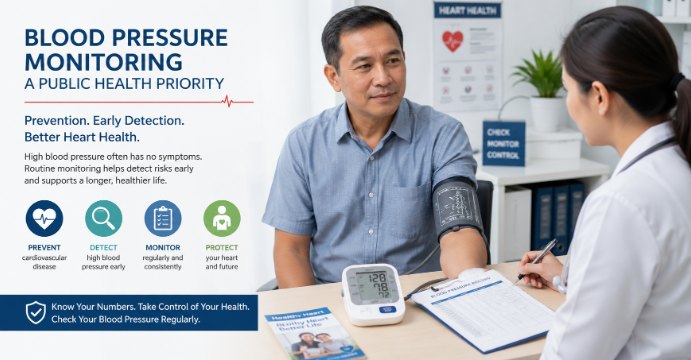
Blood Pressure Monitoring as a Public Health Priority: Strengthening Early Detection and Long-Term Cardiovascular Prevention
Blood pressure monitoring remains one of the most practical and impactful tools in public health for identifying hypertension early, guiding treatment decisions, and reducing long-term cardiovascular risk. Wider adoption of accurate office, community, and home-based monitoring strategies could significantly improve prevention of stroke, heart disease, kidney damage, and premature mortality.